Sustainable Solutions: How E-Waste Recycling Services Are Saving Our Planet
E-waste poses significant threats to the environment, as abandoned electronic devices commonly carry harmful materials. These hazardous substances can contaminate soil and water, resulting in widespread environmental harm. E-waste recycling services present a viable solution. They not only recover valuable resources but also mitigate pollution. Comprehending the operation of these services and their influence on communities is of great importance. The path to successful electronic waste management prompts vital discussions about personal accountability and communal efforts. What measures can be pursued from this point onward?
Why Electronic Waste Is Harmful to the Planet
Although technological advancements improve our daily lives, e-waste poses significant environmental threats. Discarded electronic devices, commonly laden with toxic substances including lead, mercury, and cadmium, are capable of seeping pollutants into groundwater and soil, creating hazards for ecosystems and human health. The rapid pace of technological advancement results in increased consumer turnover of electronics, exacerbating the accumulation of e-waste.
Landfills, already burdened with waste, struggle to accommodate the growing volumes of discarded gadgets. Incineration, another disposal method, releases harmful pollutants into the atmosphere, contributing to air quality degradation. Furthermore, inadequate recycling methods can result in the shipment of electronic waste to underdeveloped nations, where workers may break down equipment without proper protective measures, putting themselves at risk of exposure to hazardous materials. This cycle of neglect and improper handling underscores the urgent need for sustainable recycling solutions that can mitigate the adverse effects of e-waste on the planet.
What Is E-Waste and Its Importance?
E-waste, or electronic waste, comprises unwanted electronic equipment such as televisions, computers, and smartphones that have reached the end of their useful life. This rapidly expanding waste category is noteworthy because of its swift buildup, propelled by advances in technology and evolving consumer behaviors. As more devices become obsolete, the environmental impact intensifies, with toxic materials such as lead, mercury, and cadmium threatening both ecosystems and public health.
The importance of addressing e-waste lies not only in mitigating these hazards but also in recognizing the valuable materials it contains. Critical metals and rare earth components can be reclaimed and recycled, decreasing the reliance on mining and protecting natural resources. By understanding e-waste and its implications, individuals and organizations can make informed decisions about disposal and recycling, ultimately contributing to a more sustainable future. Proper management of e-waste is essential for fostering a circular economy and promoting environmental stewardship.
The Way E-Waste Recycling Functions
The recycling of e-waste encompasses a systematic process aimed at reclaiming useful resources while reducing harm to the environment. To begin, electronic waste is gathered and delivered to dedicated processing centers. Upon arrival, the devices undergo thorough sorting to distinguish harmful elements from reusable resources.
After this step, specialists deconstruct the electronics, extracting metals, plastics, and glass. This stage is crucial, as it allows for the recovery of valuable metals like silver, gold, and copper, which may be utilized in new electronics.
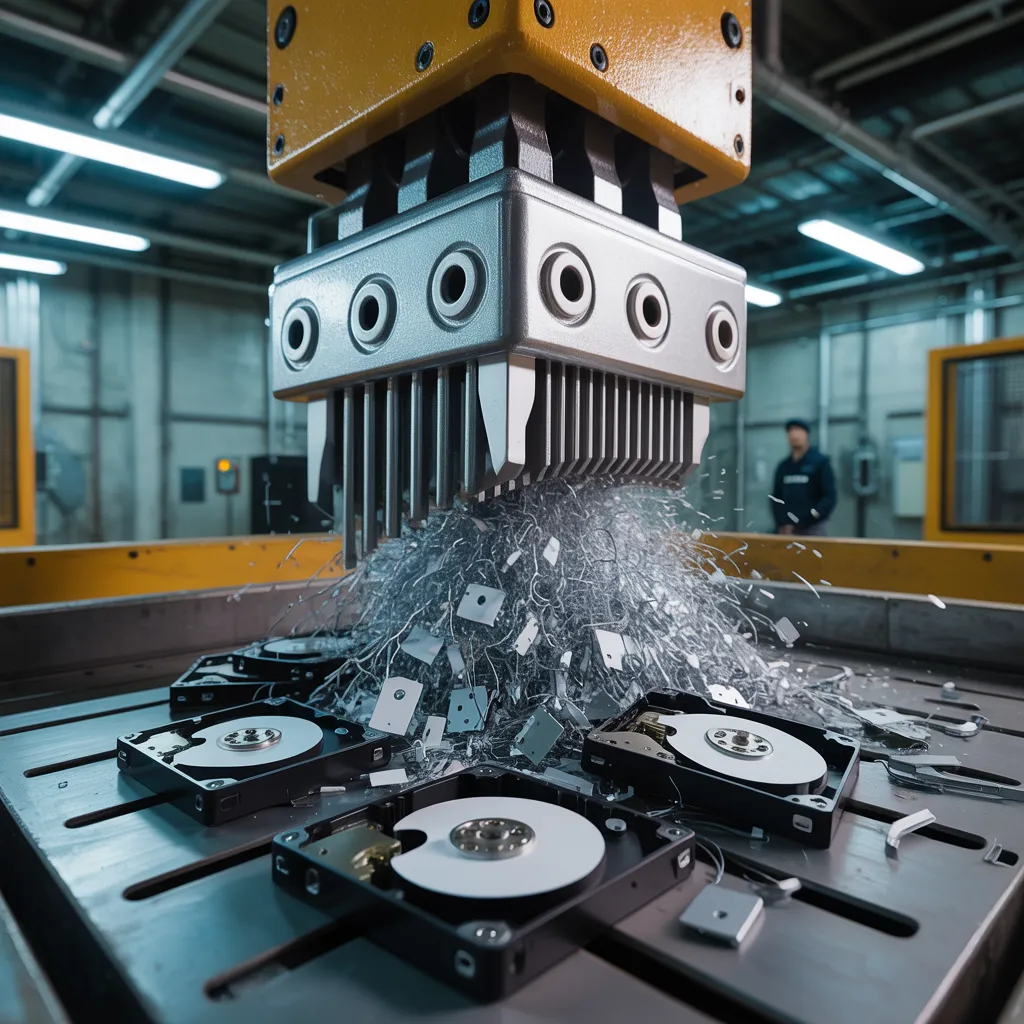
Afterward, the divided materials are treated through sophisticated techniques, such as shredding and specialized chemical treatments, to refine them for repurposing.
Finally, the residual hazardous waste is handled with responsibility, following environmental guidelines. This systematic method not only conserves resources but also minimizes the hazards connected to improper e-waste disposal, guaranteeing a greener future for the consumption of electronics.
The Benefits of E-Waste Recycling for You and Your Community
Though many people are unaware, the advantages of e-waste recycling extend beyond personal convenience to positively impact entire communities. By properly recycling electronic waste, individuals play a role in creating a safer environment, decreasing toxic components that can seep into soil and water. This proactive approach actively safeguards local ecosystems and promotes public health.
Furthermore, e-waste recycling fosters workforce growth within communities. Nearby recycling establishments regularly need employees for numerous tasks, covering everything from collection to processing, consequently creating meaningful employment to area workers. This not only strengthens the regional economy but also fosters community involvement in eco-friendly practices.
In addition, awareness of e-waste recycling can lead to educational initiatives, encouraging residents to make environmentally conscious decisions. By taking part in e-waste recycling programs, individuals promote a culture of sustainability, motivating others to do the same. Overall, the shared impact of these actions can create a more resilient and environmentally responsible community.
Tips for Choosing an E-Waste Recycling Service
Selecting the most suitable e-waste disposal service is vital for ensuring that e-waste is handled responsibly and sustainably. Initially, people should verify the service's certifications, such as e-Stewards or R2, which indicate compliance with professional guidelines for responsible recycling methods. It is equally important to assess the organization's credibility by reviewing feedback and looking for advice from dependable sources.
Next, clarity in the recycling process is essential. A trustworthy Start here service should provide clear information about how e-waste is processed and what happens to the materials. Furthermore, assessing the variety of services available can be advantageous; various firms may supply retrieval services or extend benefits for recycling.
Furthermore, understanding local regulations regarding e-waste disposal can further guide the selection process. By prioritizing these factors, residents can actively participate in effective e-waste management while supporting eco-friendly habits.
How You Can Get Involved in E-Waste Recycling?
Getting involved with e-waste recycling can start at the local level, where community recycling hubs frequently offer essential services for proper disposal. Moreover, participating in community awareness campaigns can amplify efforts to inform others regarding the importance of ethical e-waste practices. Such efforts not only advance environmental sustainability but also cultivate a collective sense of accountability for the environment.
Area Recycling Stations
A wide range of neighborhood recycling stations perform an important function in e-waste recycling, providing communities with accessible options to manage electronic waste appropriately. These facilities handle a range of electronic devices, including outdated computers, mobile phones, and TVs, verifying that toxic materials are disposed of safely. Most stations have qualified professionals who can guide individuals on proper disposal methods, emphasizing the importance of recycling over landfilling. Furthermore, numerous facilities provide scheduled drop-off occasions or specific collection dates, enabling residents to engage without difficulty. By taking advantage of these neighborhood resources, community members advance a circular economy, reducing environmental impact and promoting sustainable practices. Engaging with these centers enables communities to combat e-waste pollution successfully.
Community Education Campaigns
Nearby organizations, schools, and enterprises can collaborate to host events that promote e-waste collection drives. Volunteers can play a pivotal role in spreading awareness, distributing educational materials, and engaging with the community. By means of these joint initiatives, local inhabitants gain greater awareness and encouragement to properly recycle their e-waste, thereby helping to build a greener and more sustainable tomorrow.
Frequently Asked Questions
What Electronic Devices Are Eligible for Recycling?
A wide range of electronics may be recycled, including smartphones, computers, laptops, televisions, printers, and gaming consoles. Additionally, peripherals such as batteries, keyboards, and mice are also suitable for recycling, contributing to eco-friendly conservation initiatives.
Are There Fees Involved With E-Waste Recycling?
That's correct, e-waste recycling may involve charges, subject to the facility. Some service centers apply costs for collection or processing, while some providers make services available at no charge, typically funded by the resale of recovered materials.
What Are the Benefits of E-Waste Recycling for Businesses?
Businesses can benefit from e-waste recycling by reducing disposal costs, enhancing their environmental image, adhering to regulatory requirements, reclaiming useful materials, and possibly earning income through resale, ultimately contributing to a more sustainable operational strategy.
What Happens to Data on Recycled Devices?
Details from refurbished electronics is often completely removed or eliminated throughout the recycling process. This ensures private details remains secure, stopping improper access while permitting resources to be repurposed carefully and ethically across new manufacturing processes.
Can I Recycle Broken Electronics?
Yes, defective electronics are able to be recycled. Many collection points process damaged devices, providing safe disposal and recovery of valuable materials. Doing so helps decrease environmental impact while encouraging responsible recycling practices to manage electronic waste responsibly.